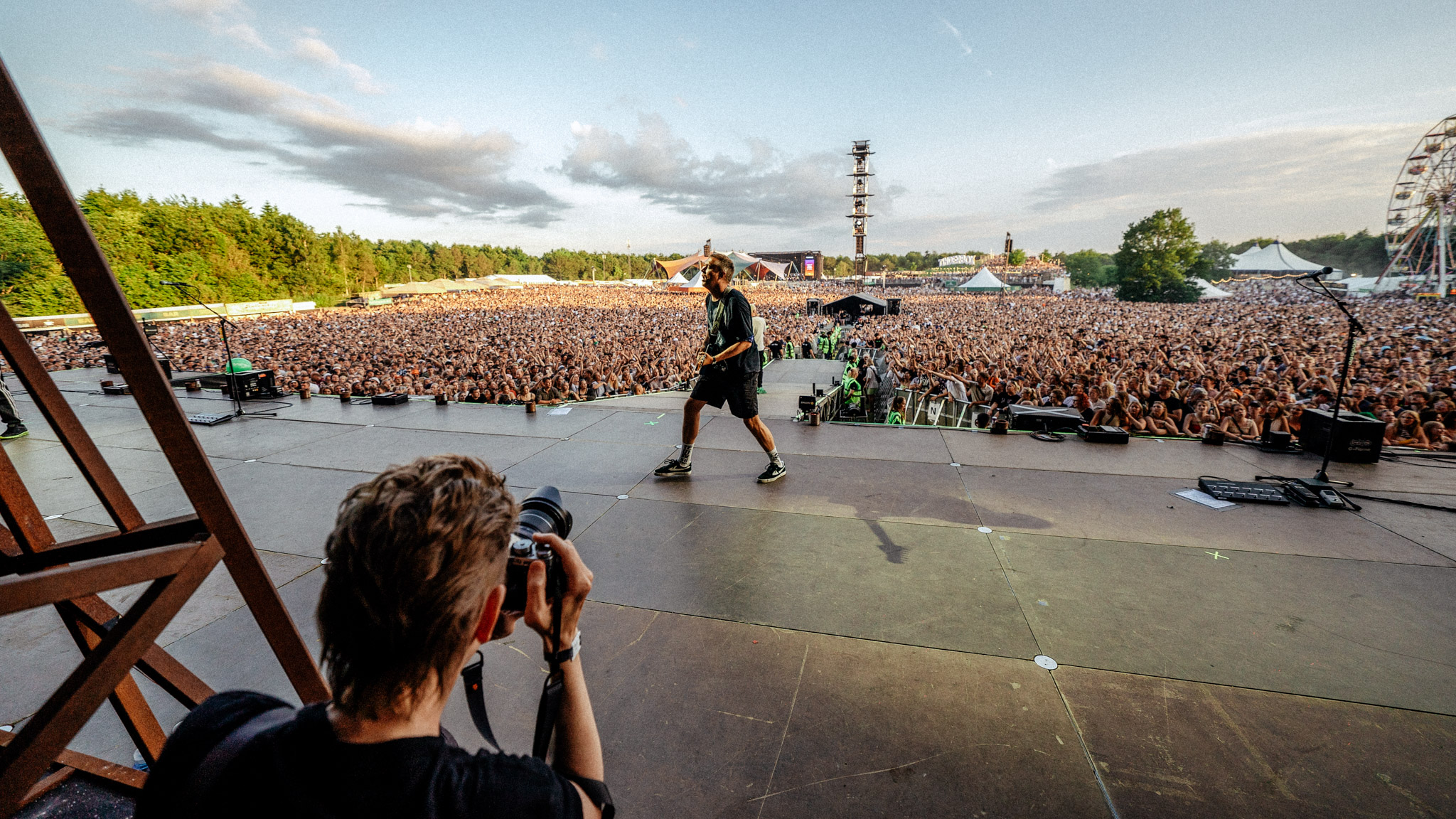
This series originally ran in my newsletter, this is all 4 parts + bonus information in one single article.
I will take you through what I do to prepare, what I do at the concert, all the way to delivery of the pictures! I don’t do every step for every gig but, so just take what you can use from how I do it and discard the rest. I just feel that I am working for bands that have spent months rehearsing and preparing so the least I can do is be equally well prepared! I find it relaxes me and makes me more creative during the shoot because I am on top of everything, I am not suddenly missing a guitarsolo or something because I didn’t prepare enough and was in the wrong spot during big moments.
INDEX
Part 2 – Build your shooting script
Part 4 – Arriving at the venue/festival
Part 5 – Photographing the concert!
BONUS: How to shoot the ‘end of show, take a bow’ scene after the concert
Part 1 – get information
You have been booked for your first band gig, yessss! So exciting! So nervewracking! What do you do now? Have no fear, preparation and information will save you! 🙂
Get as much info as you can! This is super important for me, I want to know as much as possible about the show.
Set-list is a minimum, but not enough. Ask for a script / shownotes too, so you know all the big moments to be aware of, could be solos, features, crowd surf, pyro, front singer goes into the pit or crowd, etc, you want to know everything. If it’s a festival show, there will probably be some IMAG-notes for the festival’s IMAG (jumbo screen) producer, these are super handy to have too.
Production rehearsal video. Not all bands do this, but if they have a full video recording of the final full production rehearsal, ask if you can have it. I find it is so nice to have the setlist open and just add notes while watching the video. More on this later.
Schedule for the gig day. This ensures you know at what time get-in is, when does the band arrive, sound-check, dinner, doors and showtime.
Logistics and transport. This obviously varies a lot depending on if you are just at a local venue or going to a festival gig further away. If you are traveling with the band or crew, make sure you get all of this arranged and scheduled in the week leading up to the gig. On gig day you want to be fully focused on photography not transport (in real life this never happens but it’s good to have as a goal)!
Special request for pictures? You might have covered this already in the initial email thread of getting booked for the gig. If not, ask! People have a tendency to think “oh there will just be pictures of everything” and photographers have a tendency to assume “well they will tell me if there are special requests”. People will request pictures of everything from speakers to a sponsored energy drink after a show – as if it’s easy to fire up the Delorean and go back in time 🙂 So ask and add these requests to your shooting script/shotlist..and ask again on the day at the venue because there could easily be last minute additions from band, label, management, crew such as the band got some new sunglasses/shoes/you name it and is wearing it only in song 1 and can you make pictures. It is just a lot easier to make these when you know beforehand, without having to travel back in time!
Part 2 – build your shooting script
You have your info, now it is time for building your own script for how you want to cover the show!
A setlist with notes is basically what you are making. You can do this on a piece of paper or in any note app, or if you are me: Google Sheets. Spreadsheets are awesome for organisation and it is easy to edit on the phone too on the day – but use whatever works for you. These shooting scripts can be super simple or very detailed, especially when I manage phototeams and have a team of photographers who each get their own script. Here are 2 examples, a simple version and a complex version from a 2 hour Arena concert with lots of things happening, features, b-stage etc.
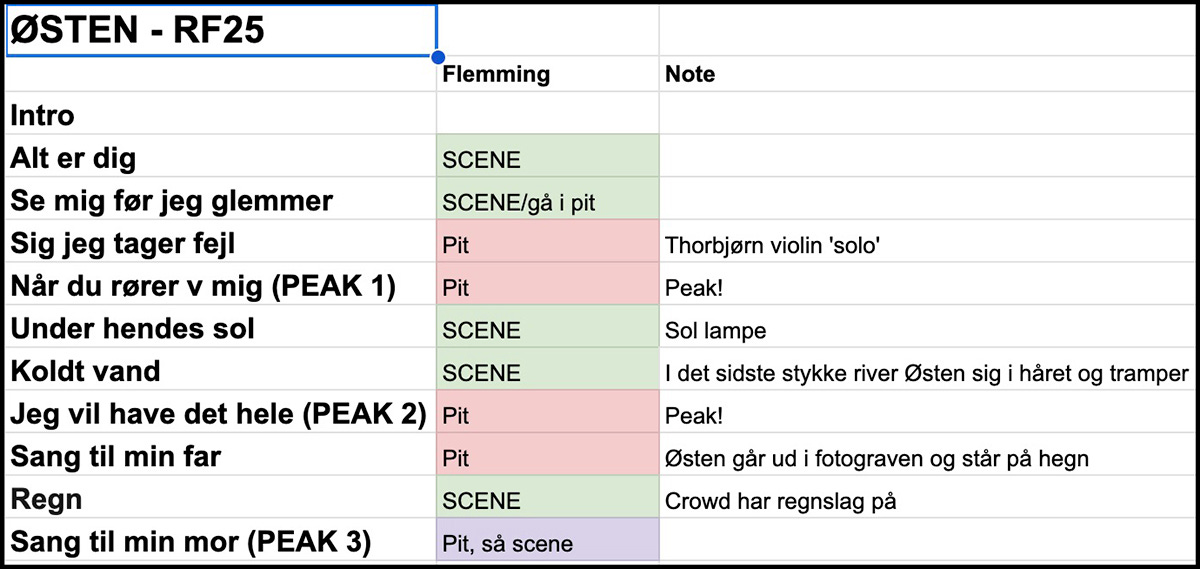
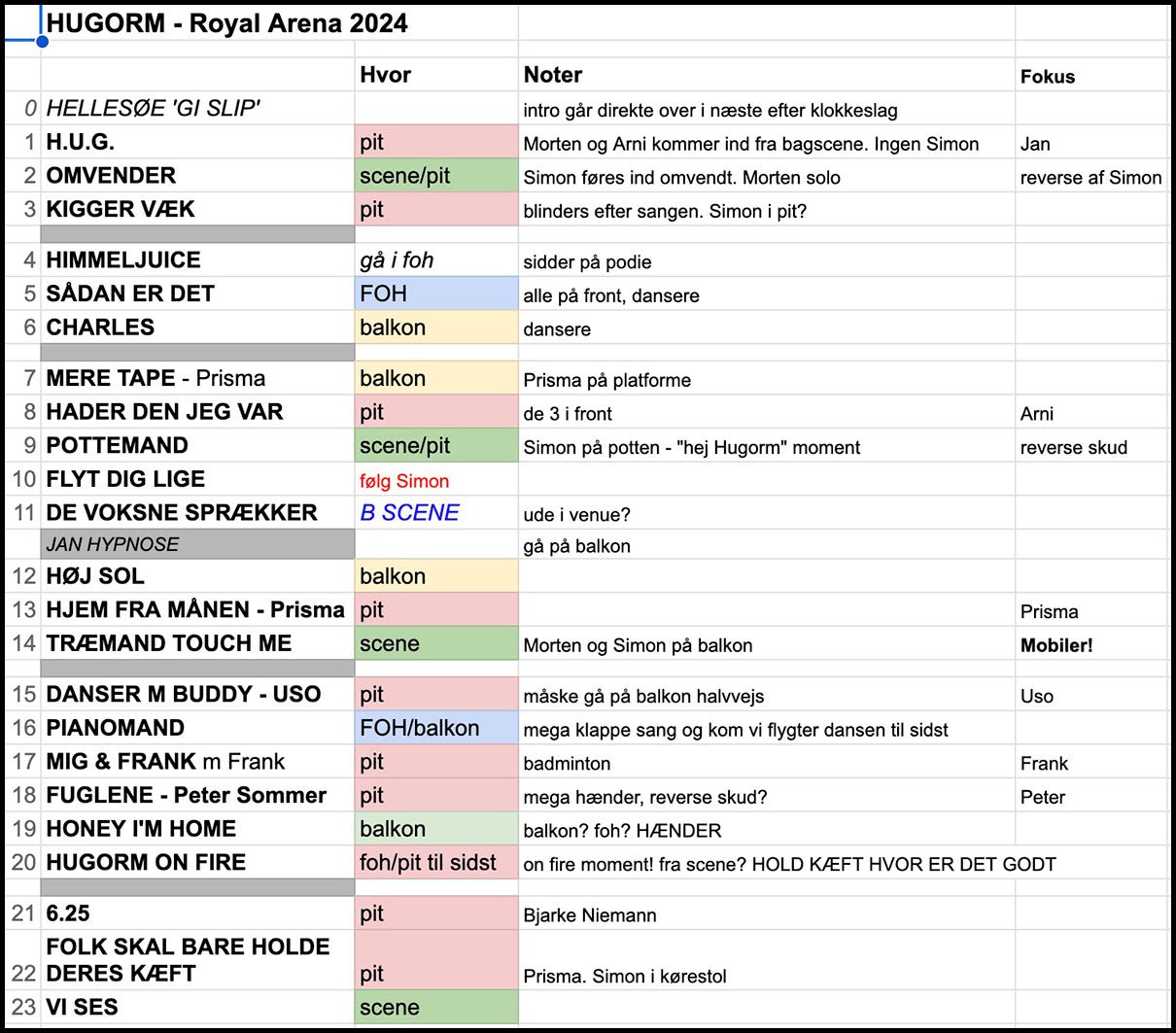
If I have a production rehearsal video I will watch the whole show and make my notes, or just read the script/shownotes from the band and make my plan accordingly.
The scripts tell me where I want to be during the concert for the various songs to make sure I am in the best position for every big moment, so I can capture them all for the artist. This script becomes much more important in large venues where moving around takes a long time so you can’t just improvise everything, you can’t just sprint from the back of the venue to the pit because you forgot that there is a crowd surf happening. Sometimes it is a venue I know very well, sometimes a venue or festival I don’t know at all, so scouting on the day becomes super important. More on that later.
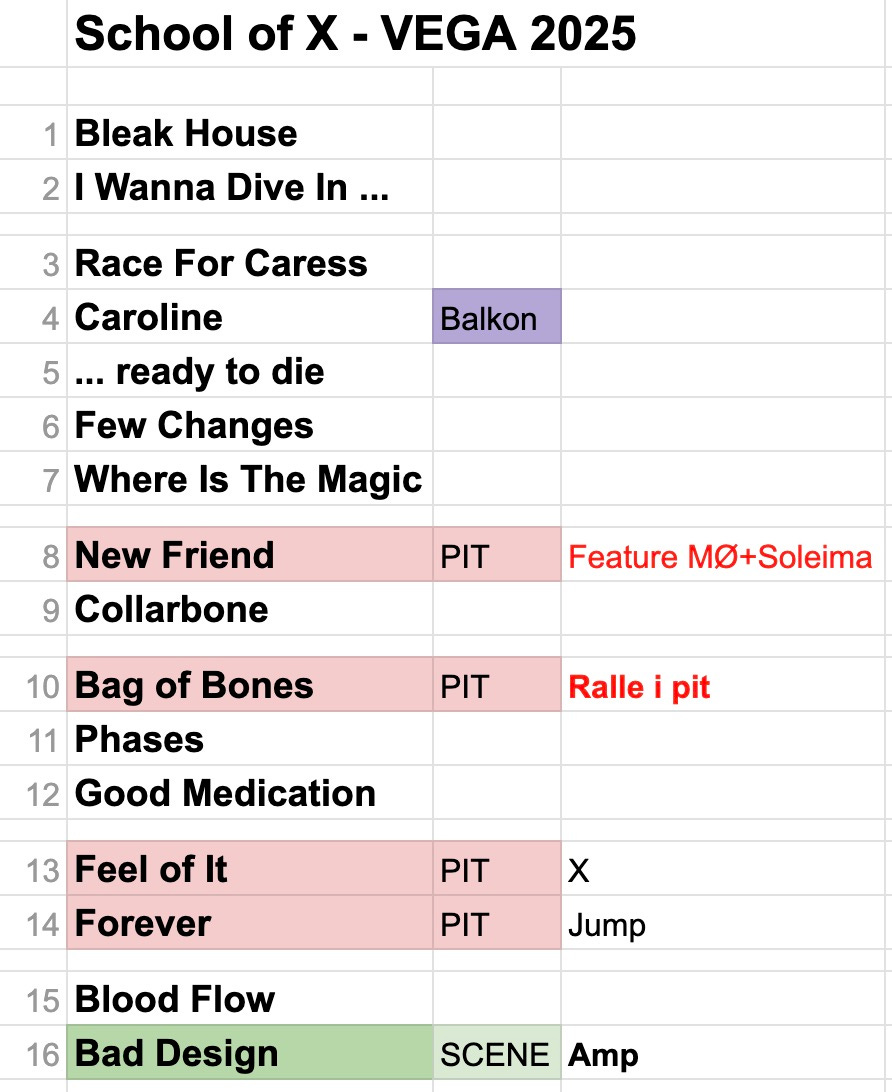
I love using spreadsheets, it is so easy and fast to make these, I use coloured cells to tell me what I am doing for each song, easier to see during a show. Red is usually pit, green is stage, foh/venue is blue and then sometimes extra colours for b-stage and other bits. I just want something that is easy to decode on my phone during the show, ideally I will have memorised the script but during the action of a concert it is amazing what one can suddenly forget!
I will talk more about the shooting script next time because I make adjustments on the day during sound rehearsal. And I am can always break or change it during the concert. But it is so good to have a starting point and have those big moments down and set, so I can rest assured I will be in position for them.
I find it actually frees me up and relaxes me, I know which songs where I need to be in specific spots, and other songs where I am free to improvise and go with what I feel in the moment.
In late June I did 5 large band gigs in 6 days at 2 different festivals and the only way this worked was having everything 100% prepared so that every day I just opened a new schedule and spreadsheet and I was ready (after a lot of coffee!).
Part 3 – Packing stuff!
Just bring everything 🙂 My mindset is looking at this like an athlete: I have to perform, and I need to ensure there is nothing in my way during the day be it rain or broken camera or hangryness that stands in my way. And I need to ensure I have change of clothes and food and everything I need to not only perform but recover back to close to 100% for the day after so I can do it all over!
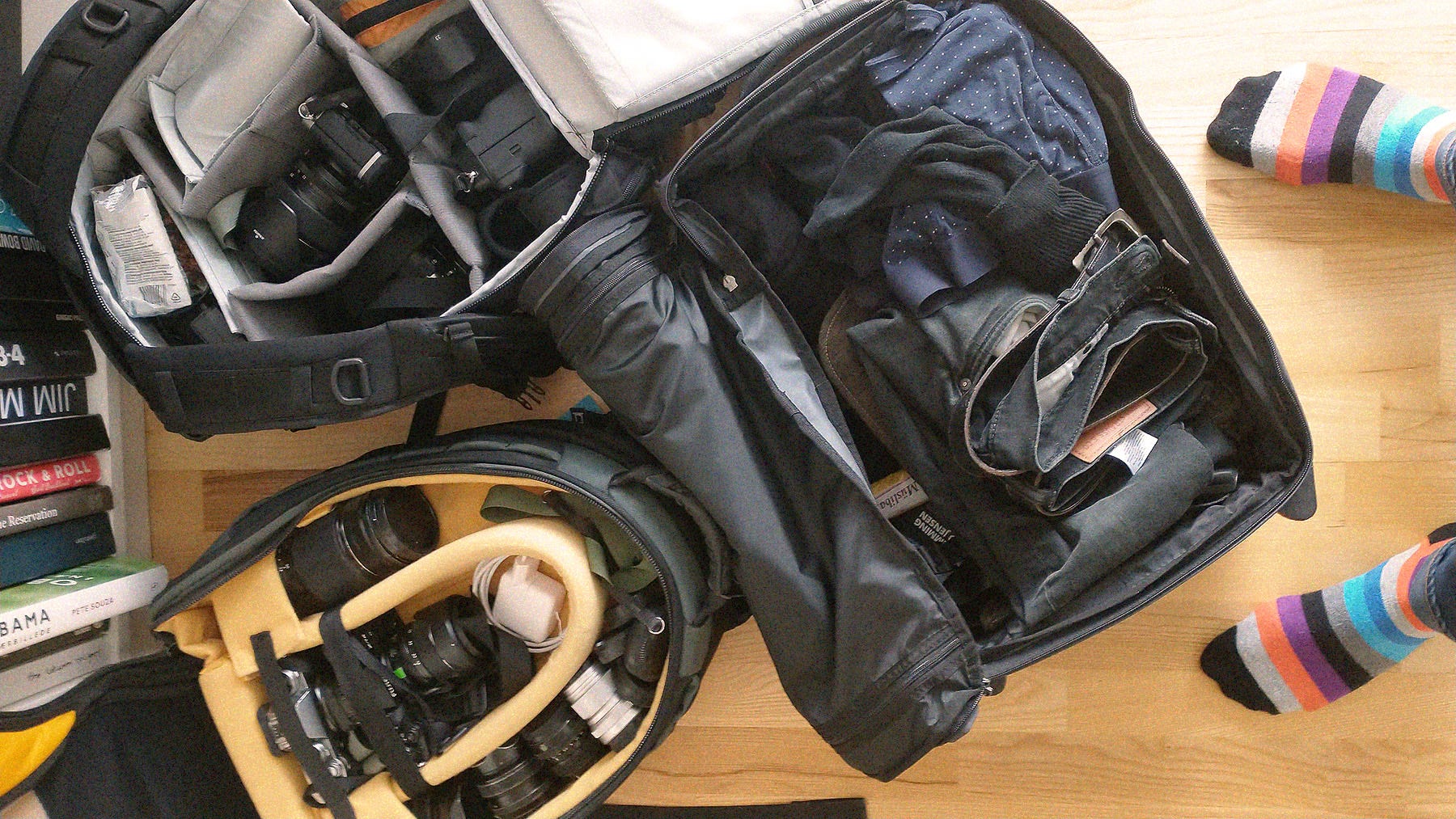
I don’t bring all the gear in the picture above at every gig, far from it! And I have a nice big Lowepro with wheels now that holds all the camera gear in one bag. The above was for a stadium gig, but it is roughly what I would bring to festival gigs away + more stuff like raingear.
Camera gear – bring lots
Bring all your favourite gear of course, but bring whatever else you think you might need. Especially if it is a venue/festival you don’t know. You have the luxury of working for a band, so you don’t have to carry everything all the time, you can just store things backstage and on-stage. I often store spare cameras with special lenses on stage, so I can grab them at specific moments and not have to carry them all the time – I really hate carrying camera gear on me.
Cameras, lenses, SD-cards, extra batteries, chargers. Double check when you pack that everything is charged and there are cards in the cameras.
Laptop, charger, harddrives, card-reader. I don’t bring a laptop to the local band gigs, but I do for all the big stadium/arena/festival gigs.
Bits and bobs: Power strip. Such an easy hack, so often there is only 1 plug and it’s definitely never near where you are sitting. Bring a power strip and share it and be everone’s favourite person! Earplugs are essential. In-ear monitors if you have the option to get a beltpack (I love this so much, but smaller bands will naturally not have spares).
Weather protection for the gear. You are eventually going to shoot festival gigs in the rain. You don’t need fancy expensive rain camera specific covers, just use small clear plastic bags, cut a hole at the end to poke the lens through, rubber band around the lens, easy. Put something in the pocket to wipe the rain of the lens with, rain flares are cool but not in every shot. But bring this, not easy to source this at the festival after it starts raining.
Clothes
You can wear any color on stage as long as it’s black! It’s called stage black for a reason. So dress in black, something you can move around comfortably in for hours. Working an outdoor festival? Be prepared to shoot in the rain and get soaked, bring rain gear, but also a change of clothes for after the gig. I always bring a spare t-shirt at the minimum, nothing worse than wearing a sweaty t-shirt for hours after a gig. If it is a larger gig I have a complete extra set of clothing, I also consider stuff like what if my boots fall apart etc. I try and anticipate any problem that could stop me so I have a backup solution to most things including clothing malfunctions!
Toiletries
I just really like being able to brush my teeth after dinner and feel ‘fresh’ before the show. Helps me perform, so even if it’s not an overnighter, I bring a small bag of toiletries.
Food
I always bring muesli/energy bars + I make a sandwich or two! But there will be food you say? Yes, but my body burns through calories in no time and needs constant fuel. And sometimes at festival the food is an artist restaurant only open at specific times and with no buffet (I hate this so much, looking at you Northside and Tinderbox festivals) and I don’t want to waste time hunting food out at the festival. I also need to re-fuel after the show where there is often no food available. Just like an athlete it’s all about fuel and recovery, I need to be at my best but also recover to sometimes do the whole thing over again the day after!
More information
Matty Vogel has a The Tour Photographer Workflow ressource, and in 2020 I wrote a blog post about my workflow (the tech mentioned is outdated now but the overall workflow is still valid. And no, I still don’t own a label maker!).
…………ok I think we are actually ready to head out the door for the gig!
All of this might seem like overkill for you, but pick out the parts that works for you and think of “perform at a 100%, recover to 100%” (well close, I am old, body never hits 100% ever haha).
Part 4 – actually arriving at the venue/festival!
You have already (in part 1) asked for the schedule for the day and perhaps arranged transport, so you know when and how to arrive. If it’s a tour/festival, often I will jump in the bus with backliner/stage/foh crew or with the band. If it’s a local venue, I will ride my bike 🙂 Regardless, I love arriving as early as possible, I want to see and capture some of the production setup as well as the sound rehearsals. And I just love being around production crew and see them, it is fascinating to me.
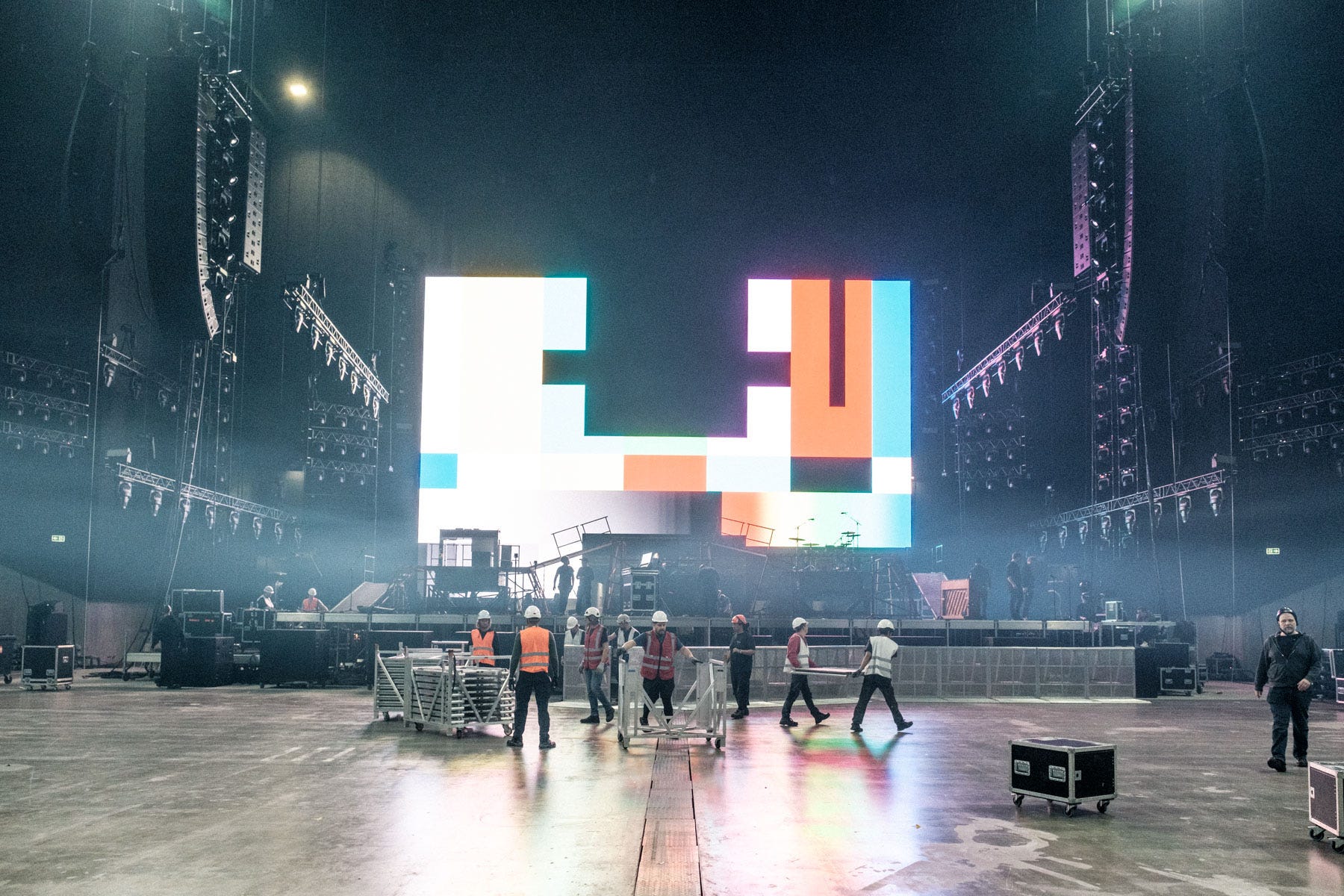
Scouting
I spend a lot of time scouting the venue and stage setup, this is going to be my workplace and I don’t want to figure out how to get to the balcony or into the pit during the show. Know all this beforehand, scout it by wandering around the entire venue during setup and rehearsal. Obviously if it is a venue I know I don’t need to figure out how to get around, but the stage layout will still be different with each show.
Stage layout. This is really important – walk around on stage before and during the sound check to figure out where the lights are, the screens, backdrops, cables and figure out where you can be on stage and still be hidden and not in the way. And talk to the production manager, band and crew as well about where to stand on stage during the show. As you walk around the stage, especially talk to the backliner tech crew, they need to work on stage during the show and as a photographer you are basically a liability, foreign element that could really screw things up, so make sure to chat with them and ask them where it’s ok for you to be 🙂 A few tips:
- Don’t stand on cables, while a lot of them are pretty solid, it’s just a bad habit
- Don’t stand in front of lights, audience will see a nice big silhouette of you
- Don’t stand in stage left or right directly where the backliners need to go to and from the artists with guitars etc.
- Don’t block the view of the people mixing monitor feed, they need to be able to see the artists.
- And definitely never get in the way of the band!
- Oh don’t stand highly visible on stage ‘chimping’ the pictures you just made, get in, get your shots, get out of the way if you need to check the pictures and settings. As photographers we probably notice this more than most, but I still so much hate to see a band photographer just standing there visibly ‘chimping’
Yeah, it’s a maze for you to solve and it’s way better to figure all this out before instead of during the show! Stages can be really dark and hazy during the songs, so you really need to learn the layout of everything so you can find your way around blindfolded almost.
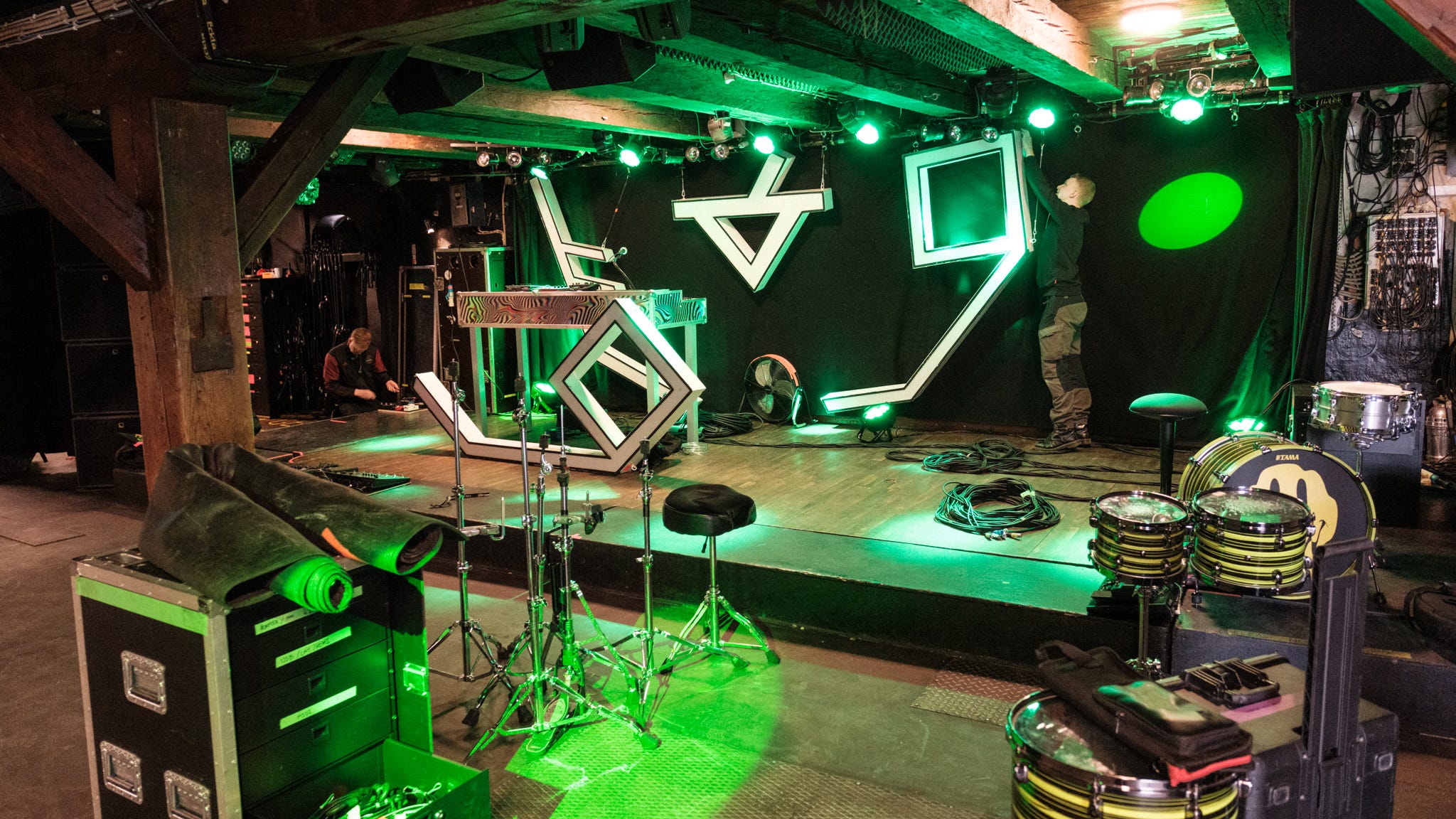
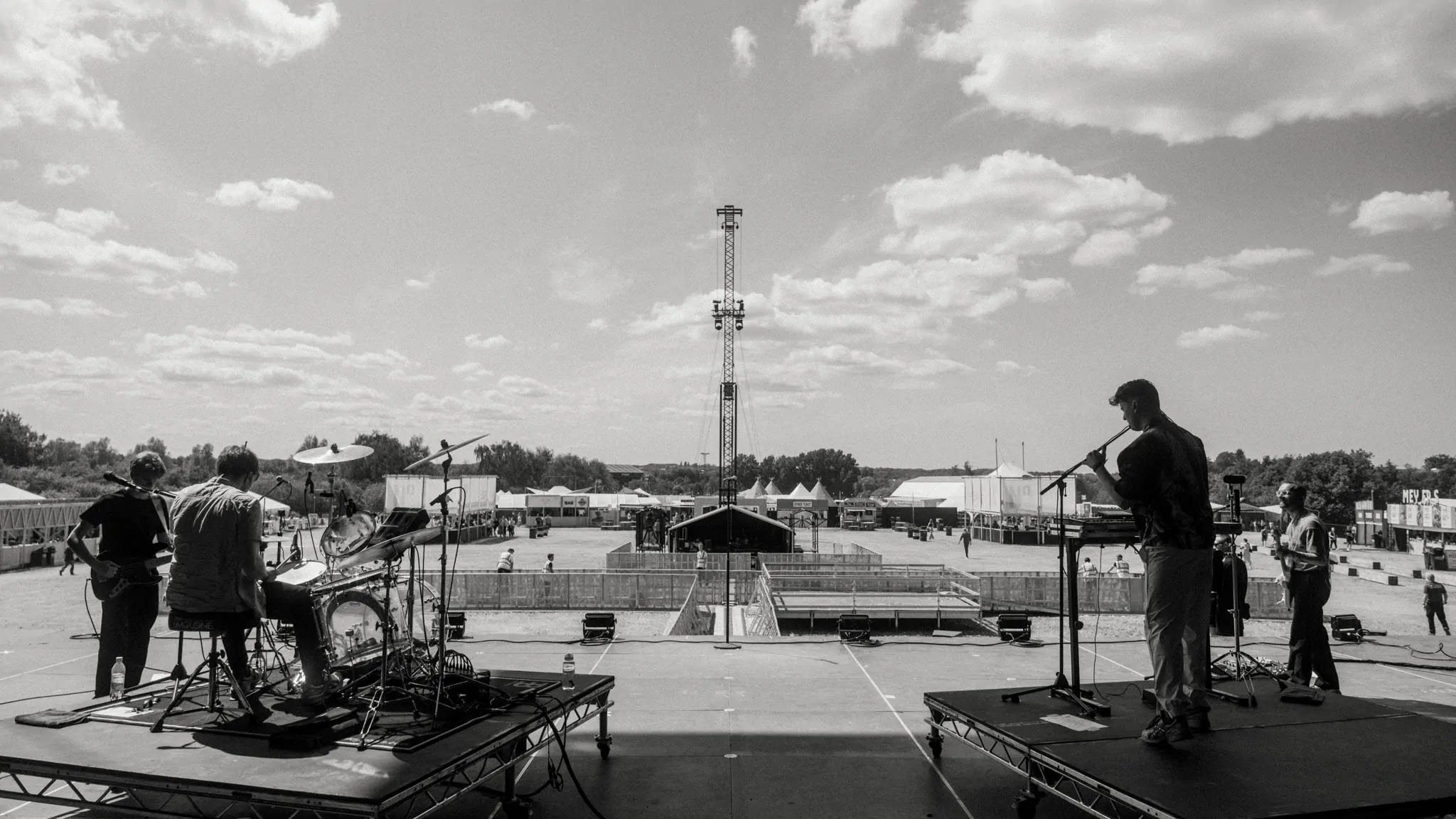
Festivals have added challenges in getting around so scouting is extra important. For some reason, no one seems to consider photographers when they design these monster festival stages and especially the area behind and around the stage! Getting from the stage into the pit can be easy, or can involve a long round trip of all the way to the rear of the stage, down the load-in ramp, around trucks, under and over big wires and cables, through a forest etc – so definitely test this during changeover! And during the scouting, say hi to everyone in security and introduce yourself, that way they know who you are during the show.
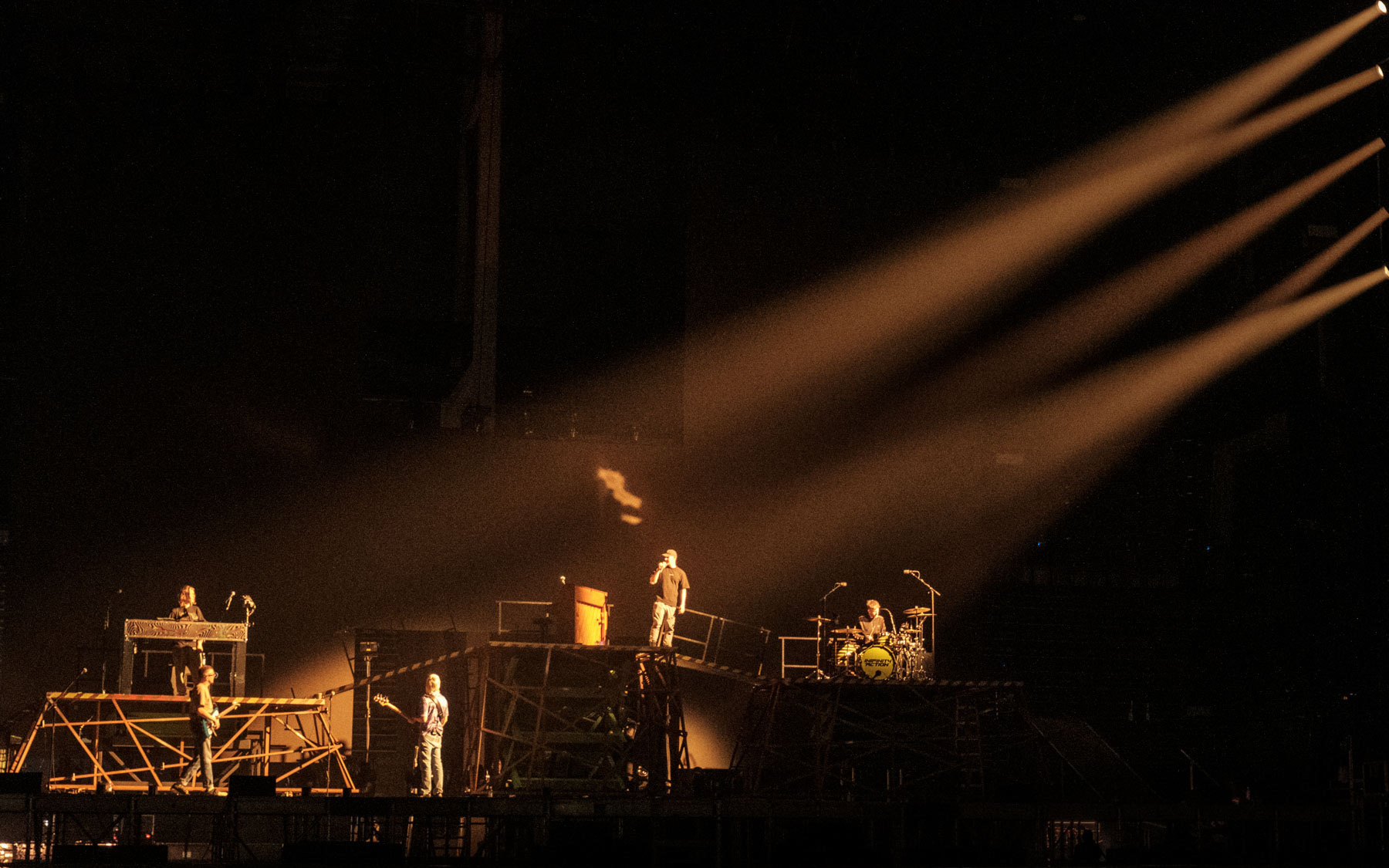
I love the setup and sound check, it is a great time to check out all the great angles in the venue and also make some cool behind the scenes pictures. Here is an example of a behind the scenes tour photo essay.
And it is vital for checking and adjusting….
Your shooting plan/script!
You made this in part 1 yes? Or maybe you are just making it on the day because you were booked one day or one hour before (it happens!). Regardless, you will make a few last minute checks and adjustments during the sound check, you might discover things you want to change or the band might have decided to change a few things or add a crowd surf or something. This is why I make my plans in Google Sheets, it’s really easy to make notes and changes on my phone during the day.
Ok….then it’s dinner and waiting for doors and showtime and then …
Part 5 – Photographing the concert!
Now it’s finally showtime, time to actually put all that work to good use! I will go through how I shot a recent concert:
Photographing School of X at VEGA
Shooting script
My script for this concert was simple, there was just a few moments with features and the artist going into the pit where I needed to be in a specific spot. I know the ‘Caroline’ song is a big hit and would get the crowd going, so I opted for the balcony. And I always want to end on stage. So it’s just a matter of marking that in my setlist spreadsheet, the rest of the songs I could freestyle as I liked during the show:
Intro and the first 3 songs
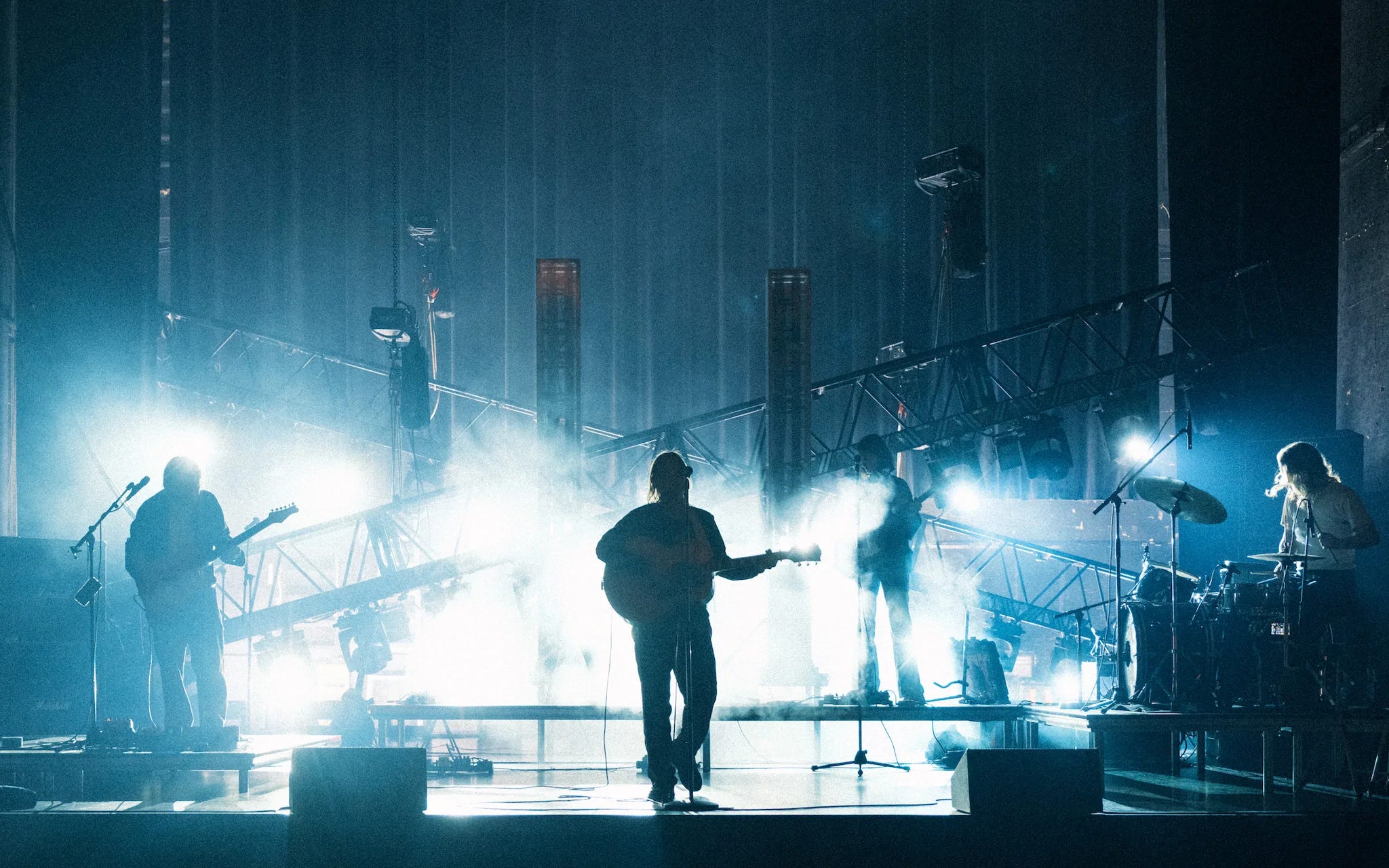
Unless there is something I must cover, I stay out of the pit for the first 3 songs and work from stage, or out in the venue. I want to give the press and venue photographers space to work in the pit for the first 2-3 songs. I have plenty of time to be in the pit later in the concert. And often if it’s a moody opening like it was here, it looks really nice from front-of-house:
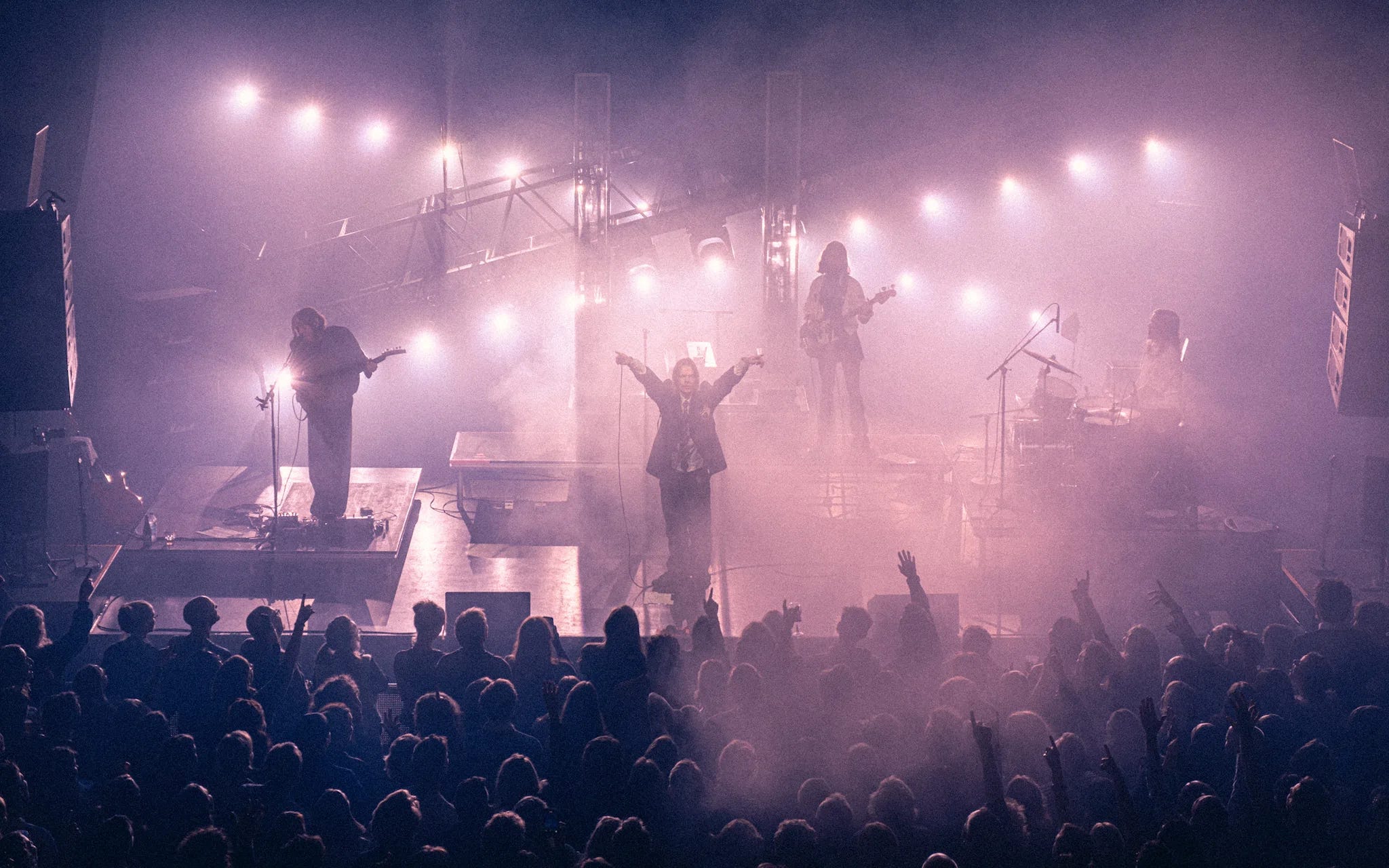
Often the opening of a show is a slow build-up, so I am taking my time. I know 75% of my pit shots are in the 2nd half of a concert, so it’s a great time to explore angles like the back of the venue, and VEGA’s balcony:
One of my favourite things of shooting from the stage is I can be at eye level with the artist. I really don’t like shooting up at artists from the pit, so a picture like this from the side of the stage is something I am always after.
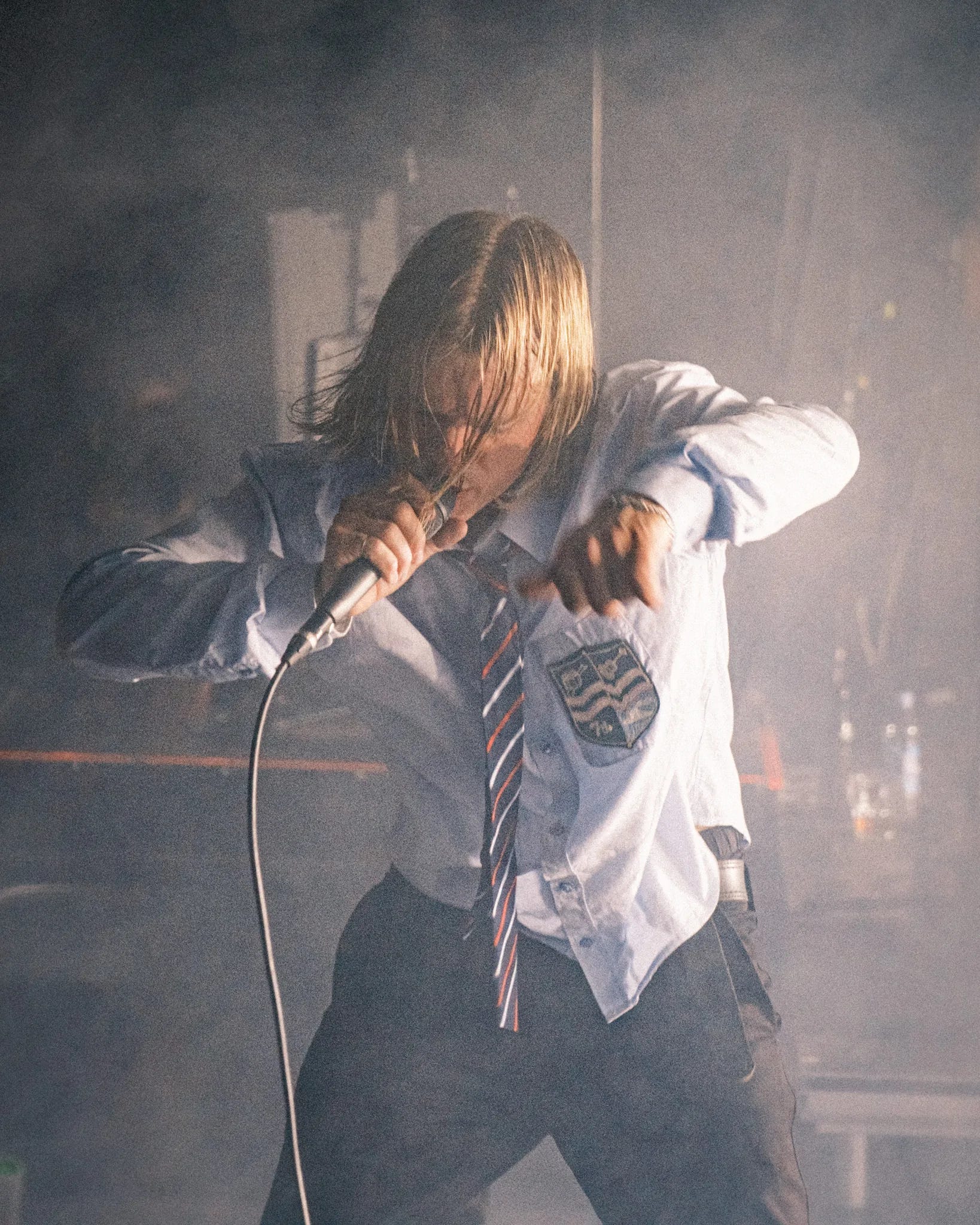
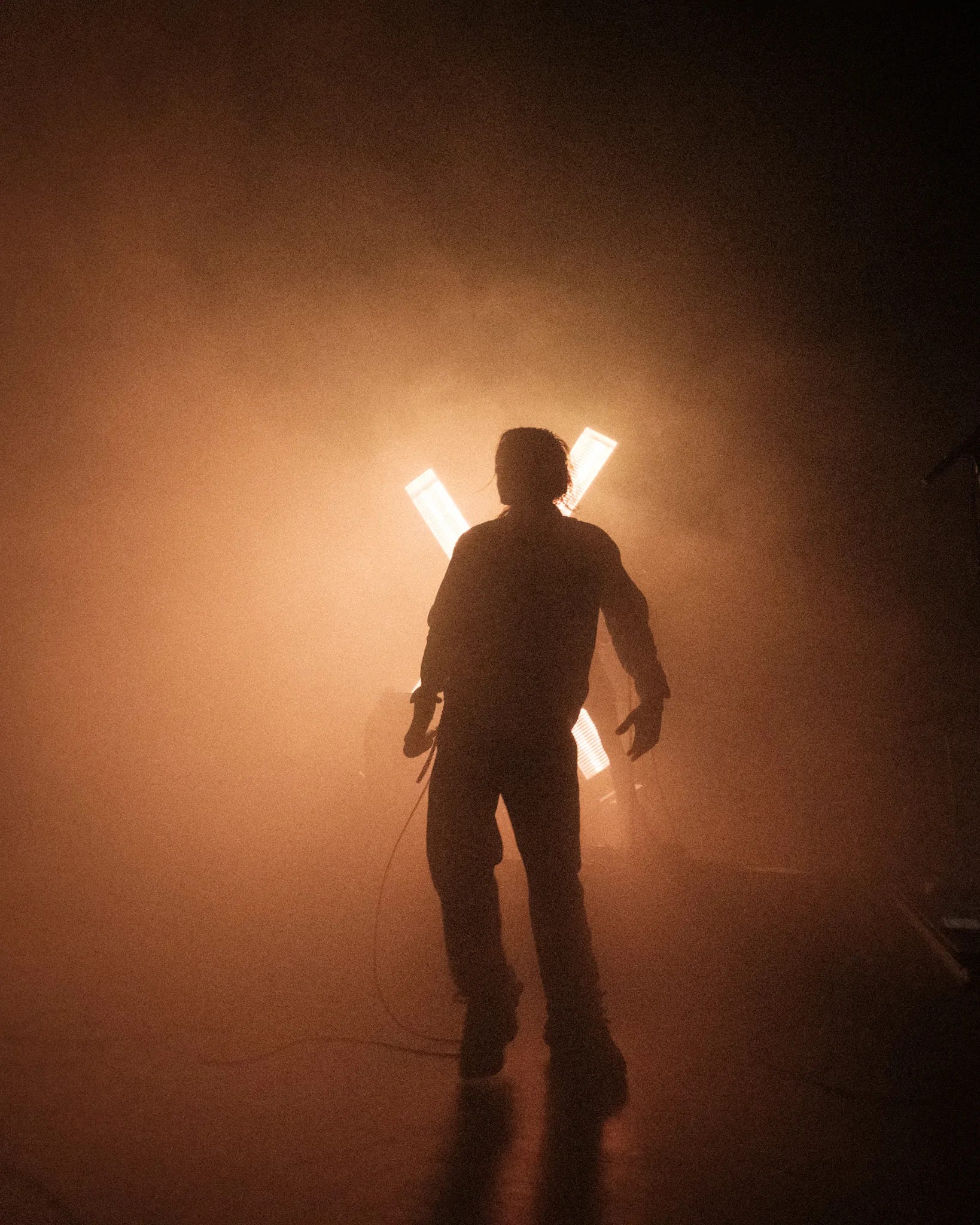
Peak moment (marked by red in my script):
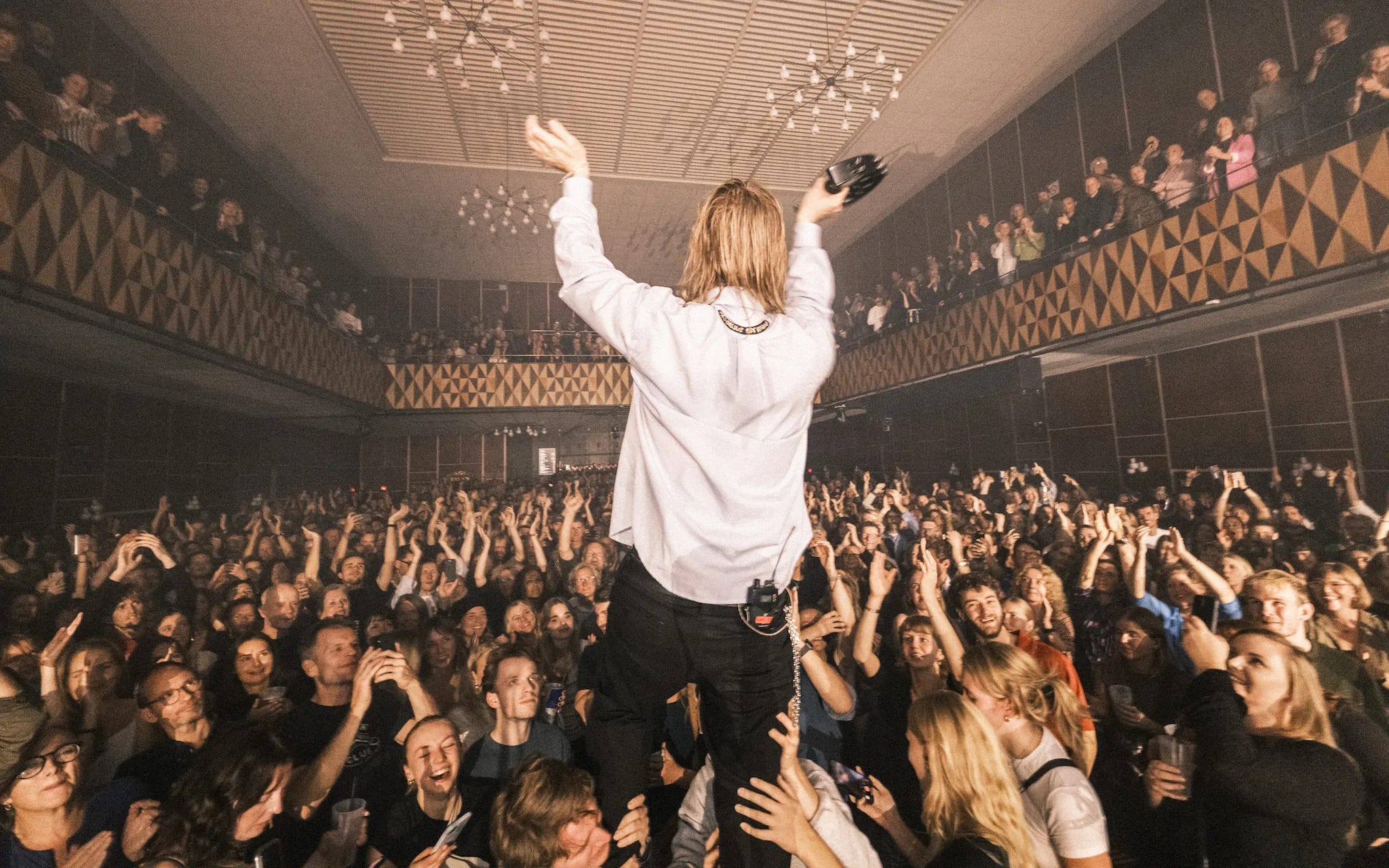
I love slow shutter, movement, blur and energy so a lot of the time I am at 1/125s or slower and pan to capture moments like this:
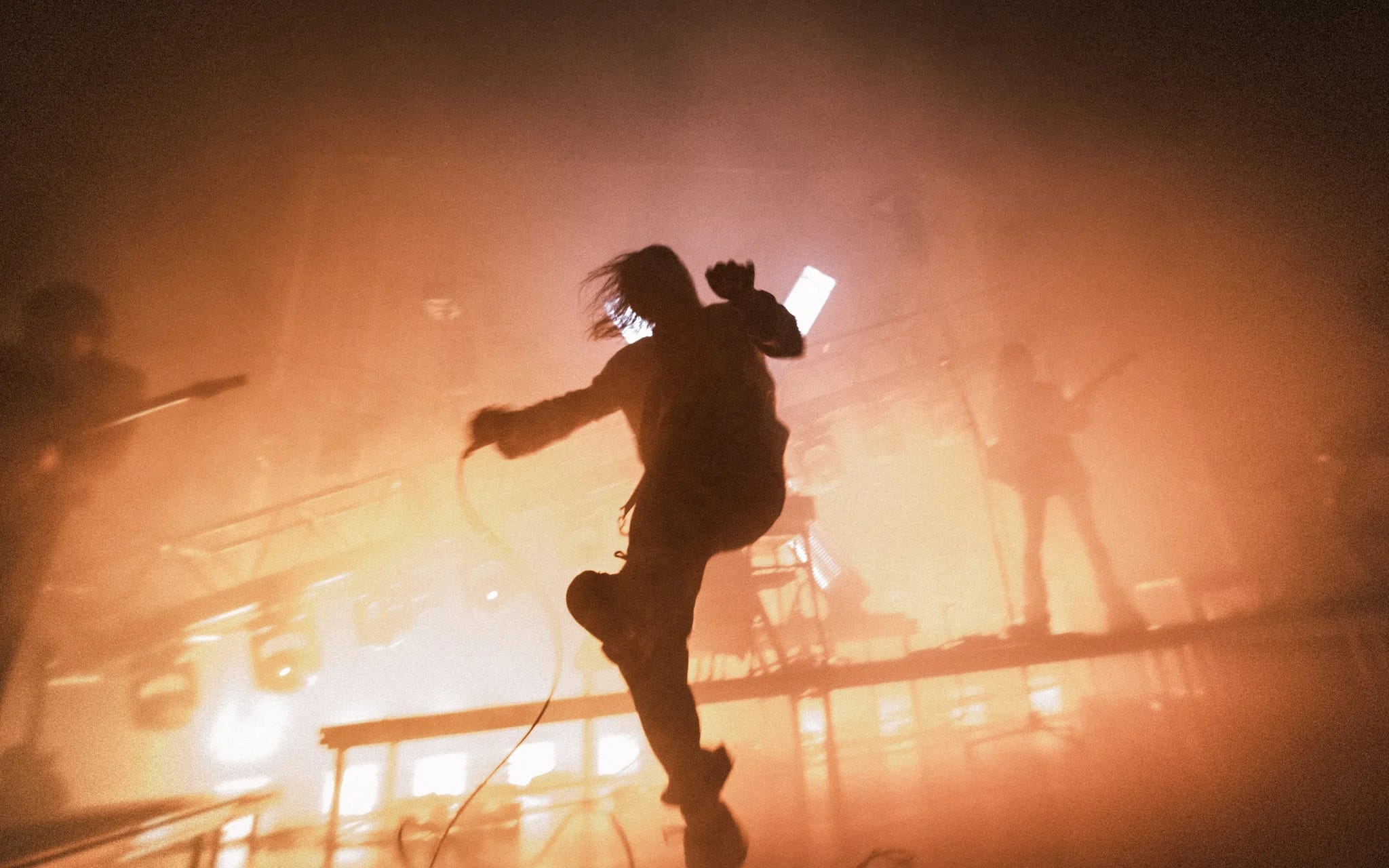
Another thing I love to do on stage is composing pictures that has the band, the fans, the venue all in one:
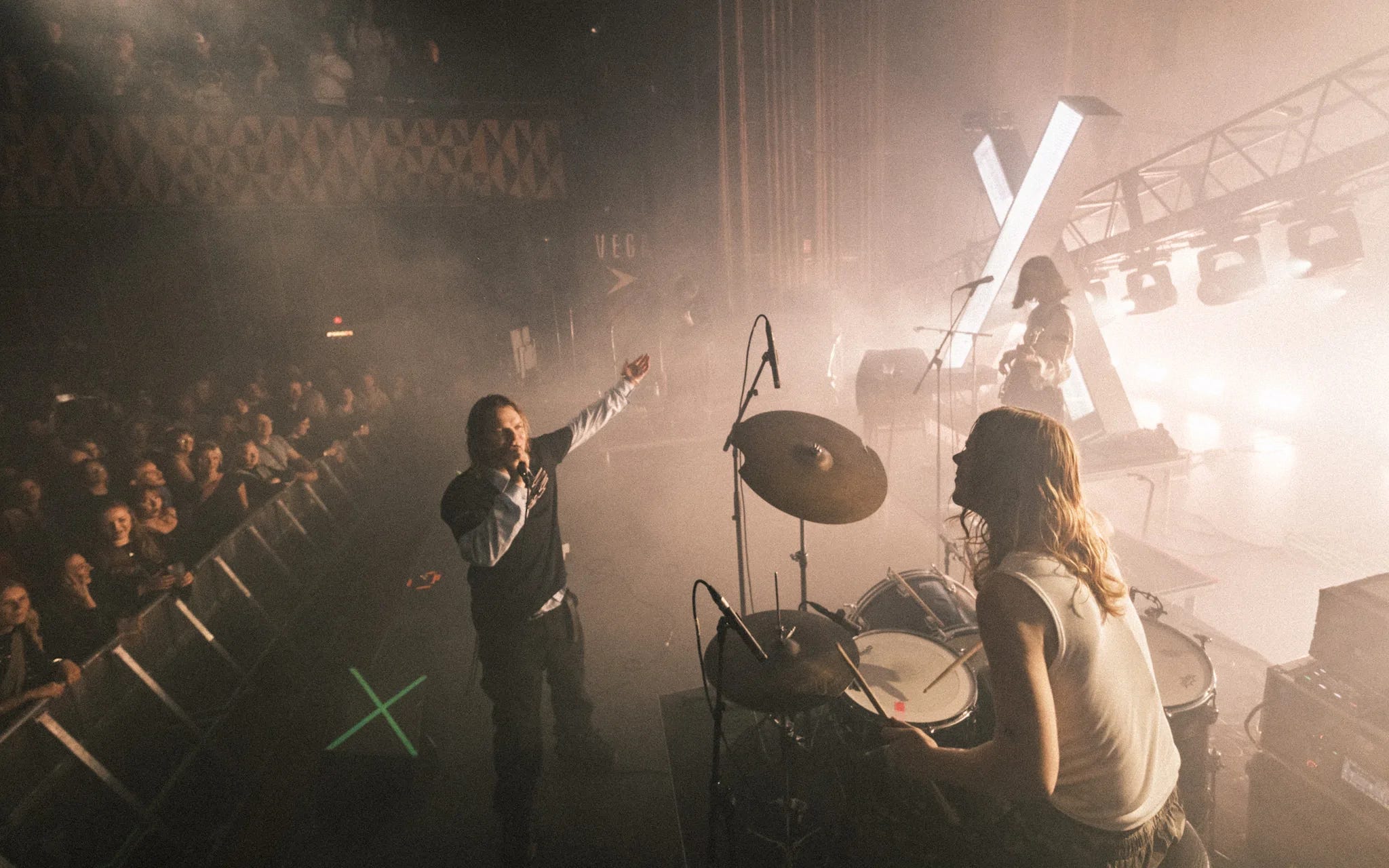
Final moments and the ‘thank you’ picture
I knew the moment should below would look awesome from the back of the venue, but had to make a choice: this moment happens 1-2 minutes from the end of the show, so if I was at the back there would not be enough time for me to get on stage to capture the ‘thank you’ moment.
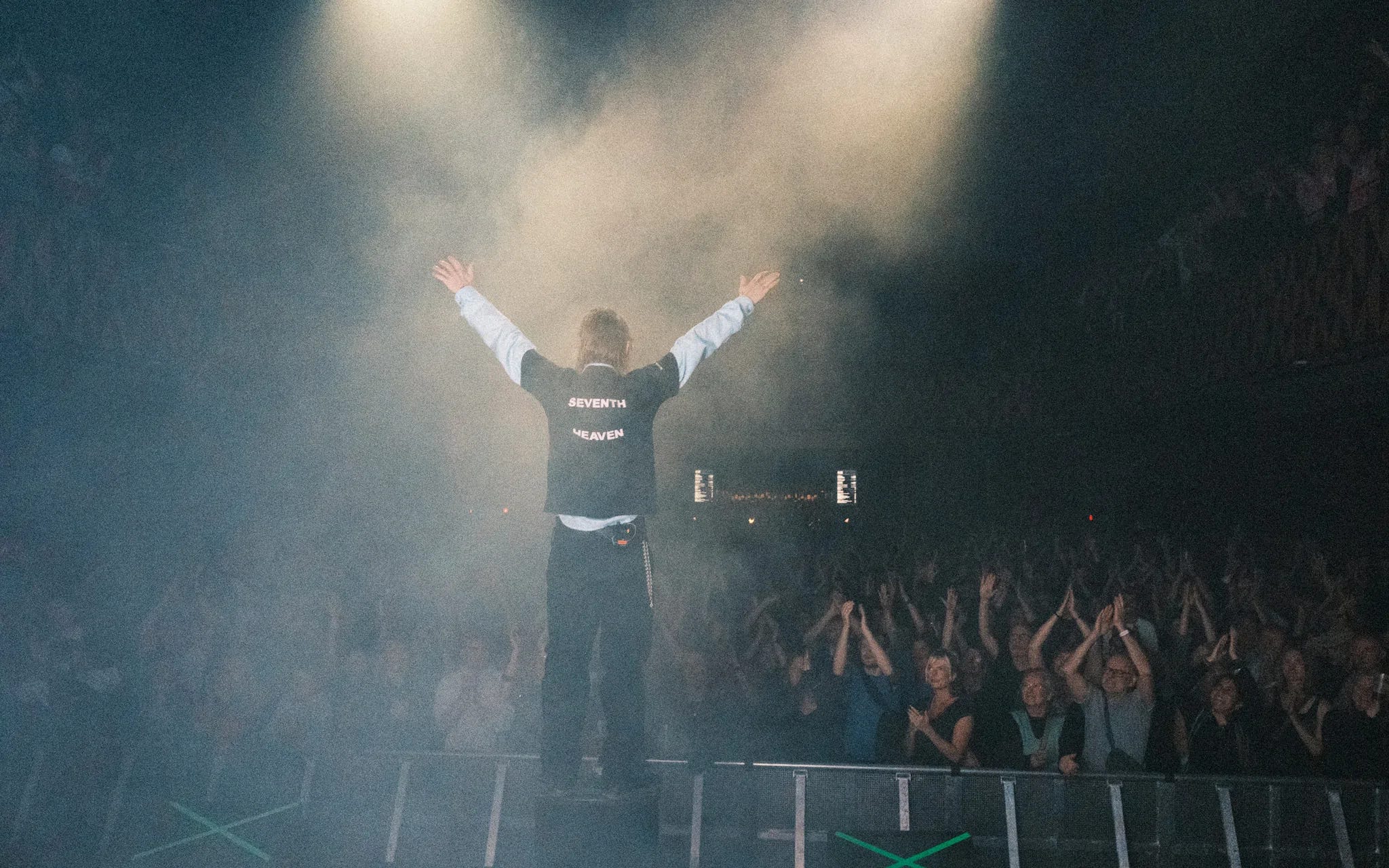
A classic case of I need to be in 2 places, but the ‘thank you’ moment below was the most important. And there is also no way to cover every moment during a concert from every angle (well unless it’s a tour of many similar shows) so it is always a choice of where to stand for a particular moment – and choices are what makes it fun, creative, challenging and interesting!
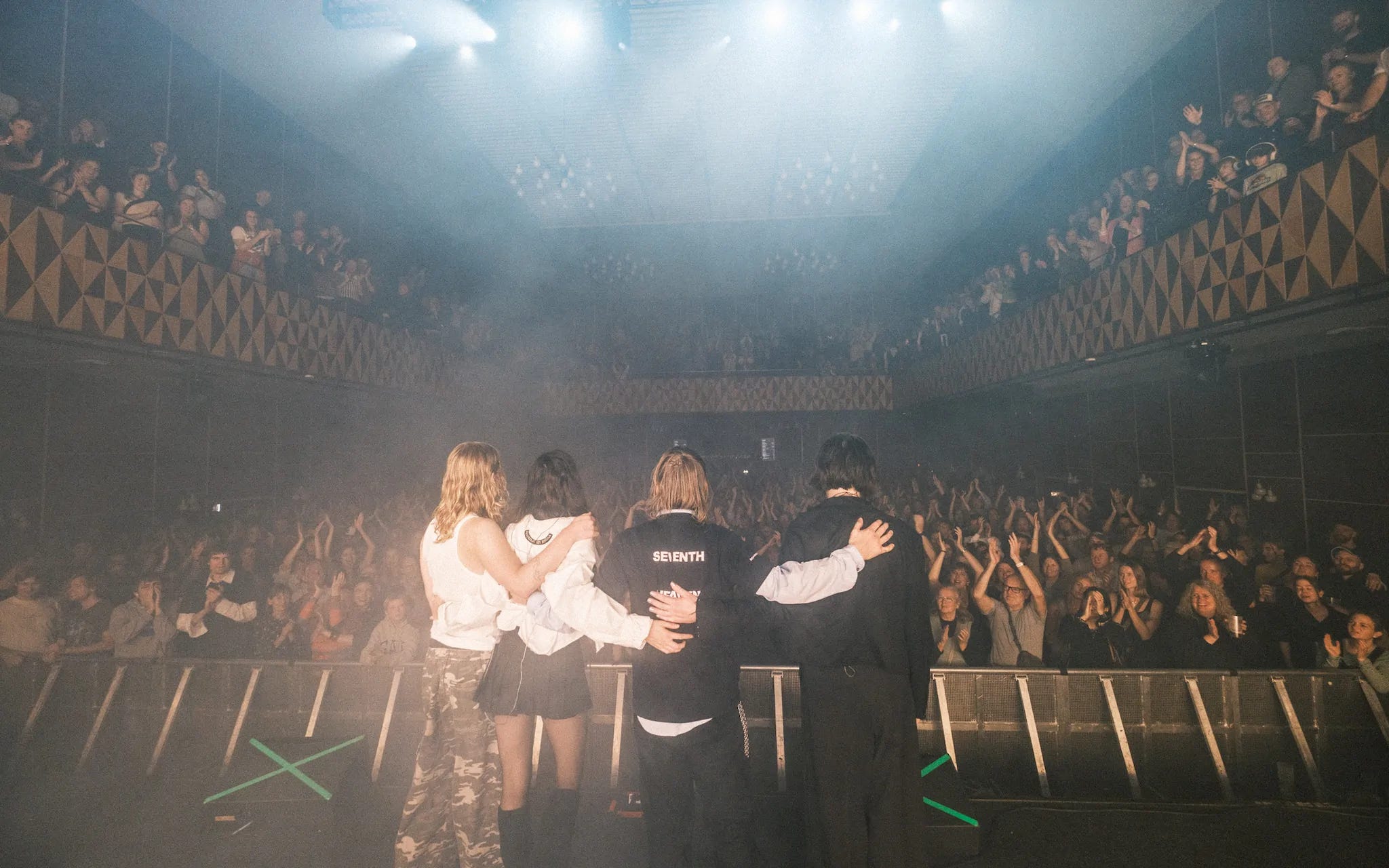
What an outstanding concert by School of X, this just a magic evening, I have been documenting School of X since 2016 and I am so happy he got to play the legendary Store VEGA venue. And I think I did quite alright too on this night.
See more School of X pictures in my instagram post from the show
❡
BONUS: How to shoot the ‘end of show, take a bow’ scene after the concert
If you are working for bands, you have probably shot several of the important ‘end of show thanking the crowd’ pictures and ended up with a hazy picture shot into the light where neither you nor the band can see much of the crowd at all. And the larger the venue the larger the issue!
All light designers (LD) will normally use a bit of ‘blinders’ (big bright lights in clusters on stage, lighting the venue), but also front light at absolutely max to light up the band from the front. It is a natural thing to do, lighting the scene from the audience and light designer point of view – but we really want the reverse, enabling the band and photographers to see the venue from the stage.
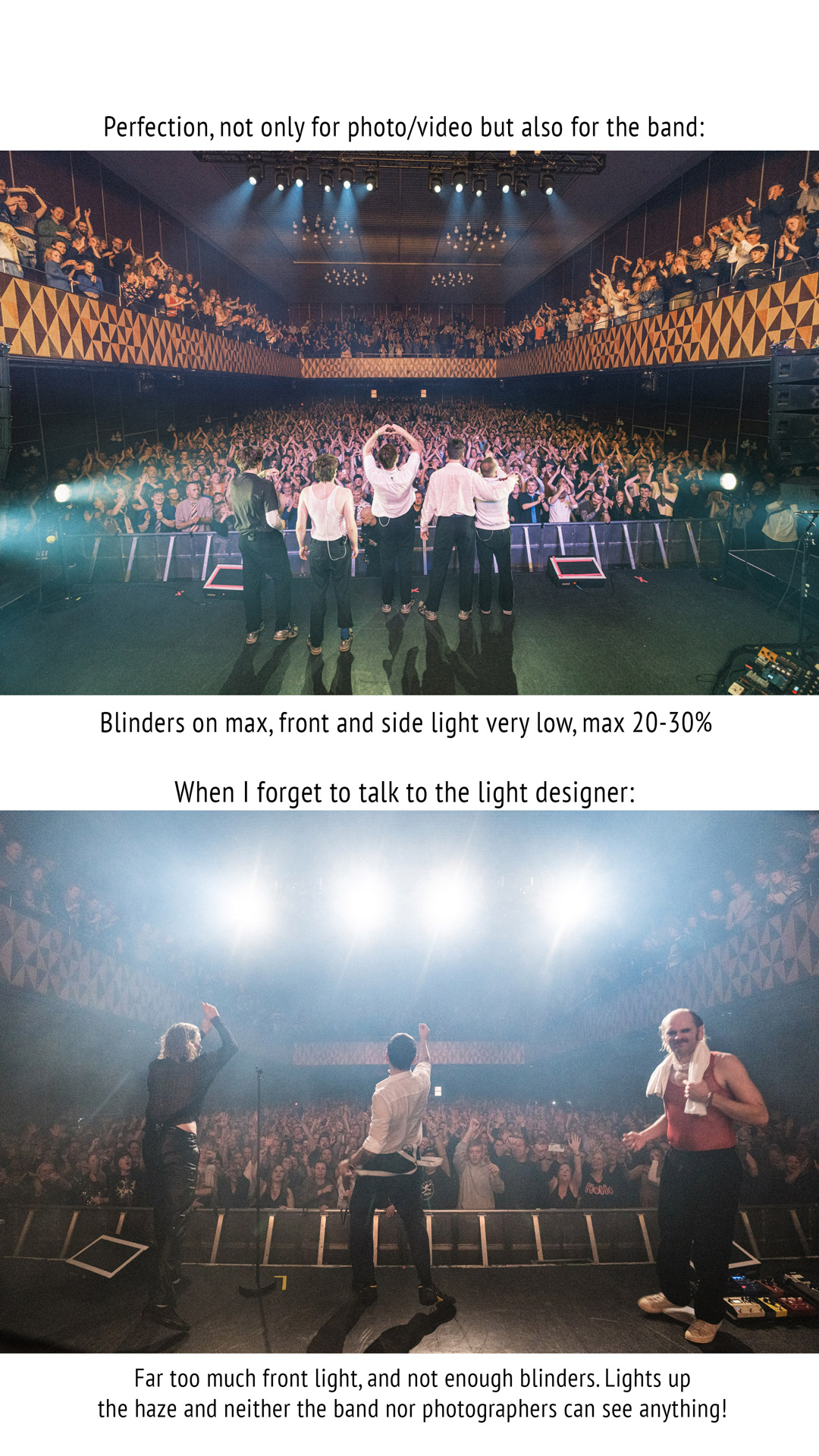
It helps both you and the band if you have a little chat with the LD about it before the show. What you want is “max blinders into the venue, as little front light as the LD can get away with where people (and IMAG screen cameras) can still see the band”
I made this little ‘cheat sheet’ to show to LDs, it’s the same venue, same amount of haze:
- The top picture is perfect, it has blinders on max, front light at maybe 10% and some side fill.
- In the bottom picture I didn’t have a chance to talk to the LD and the front light is on max and none of us on stage can see anything.
It really helps to show LDs this, they are always helpful with making sure this end of night pictures is perfectly lit, once they are aware of the challenge from the reverse stage viewpoint.
Feel free to click this for the full-res file and download it to your phone and use it on future gigs when talking to light designers.
Downloading, selecting, processing, delivery of pictures
…well this is a huge topic and could be an entirely new series at some point, so I am not diving into this for now. For now This is The End of this series. Hope you enjoyed it and found some of it useful!
Any questions at all, feel free to comment below or contact me!
§